Group Study vs. Studying Alone: What I Learned After Trying Both for a Full Year
I used to think group study was just socializing with extra steps. Then I tried it properly. Here's what actually changed — and what didn't.
Carlos M.
High School Senior

Study Techniques · EZ Grades
I was a solo studier for most of high school. I liked the quiet, I liked going at my own pace, and I was convinced that group study sessions were just an excuse to hang out and call it homework.
Then I got to a class where the material was genuinely hard — AP Chemistry — and my solo approach stopped working. A classmate invited me to her study group and I went, mostly out of desperation.
What I Expected vs. What Actually Happened
I expected: chatting, going off-topic, spending 90 minutes on 20 minutes of material.
What actually happened: we spent the first 20 minutes each reviewing independently, then took turns explaining concepts to each other. When someone couldn't explain something, we'd work through it together. When everyone understood something, we moved on quickly.
The key difference from what I'd imagined: this group had a structure. They weren't just studying "together" — they were using each other as teaching tools.
What Group Study Is Good For

Explaining concepts out loud to another person is one of the best ways to find out what you don't understand. You can fool yourself into thinking you know something when you're reading silently; you can't fool another person when you're trying to explain it.
Group study is also good for motivation. It's much harder to procrastinate when three people are waiting for you to show up. The social accountability is real.
What Group Study Is Bad For
Initial learning. If you haven't done the reading or attended the lectures, a study group session is mostly going to be you sitting there confused while everyone else discusses things you don't know. Group study works best as a review tool, not a first-pass learning tool.
It's also bad for subjects that require deep individual concentration — math problem sets, essay writing, anything where you need to think through something step by step without interruption.
My Current Approach

I do my initial learning solo — reading, notes, first pass at problem sets. Then I use group sessions for review: explaining things to each other, working through problems we're stuck on, quizzing each other. This combination works much better than either approach alone.
The group I study with now has a rule: no phones on the table, and if someone goes off-topic for more than two minutes, anyone can call it out. Simple rules make a big difference.
How to Find a Good Study Group
Not all study groups are created equal. Here's what I look for:
People who are at a similar level. If the gap is too large, the stronger students spend all their time teaching and the weaker students spend all their time confused. Some gap is fine and even helpful; a huge gap isn't.
People who actually do the work before the session. Group study is for review and discussion, not for first-pass learning. If people show up without having done the reading, the session devolves into someone explaining the basics to everyone else.
A clear agenda. The best study groups I've been in start with a list of topics to cover. The worst ones start with "so what should we go over?" and spend 20 minutes figuring it out.
A time limit. Open-ended study sessions drift. A 90-minute session with a clear end time is more focused than a 3-hour session with no structure.
When to Study Alone vs. With a Group
| Situation | Best Approach |
|---|---|
| Learning new material for the first time | Solo |
| Reviewing before an exam | Group |
| Writing an essay | Solo |
| Working through problem sets | Either (solo first, then group for stuck points) |
| Preparing for a discussion-based class | Group |
| Memorizing facts | Solo (with Anki or flashcards) |
Frequently Asked Questions
Q: What's the ideal size for a study group?
Three to five people is the sweet spot. Two people can work well but lacks the diversity of perspectives. More than five tends to fragment into side conversations and becomes hard to manage.
Q: What if my study group keeps going off-topic?
Establish a norm at the start: "We'll take a 5-minute social break at the halfway point, but otherwise we stay on topic." Having an explicit agreement makes it easier to redirect without it feeling like a personal criticism.
Q: Can online study groups work as well as in-person ones?
Yes, with the right setup. Video calls with cameras on work better than audio-only. Using a shared document or whiteboard (Google Docs, Miro) gives everyone something to focus on. The body doubling effect works even through a screen.
Q: What if I can't find a study group?
Ask in class, post on your course's online forum, or check if your school has a study group matching service. If you can't find one, consider starting one — post in your class group chat asking if anyone wants to form a study group for the next exam.
Related Articles
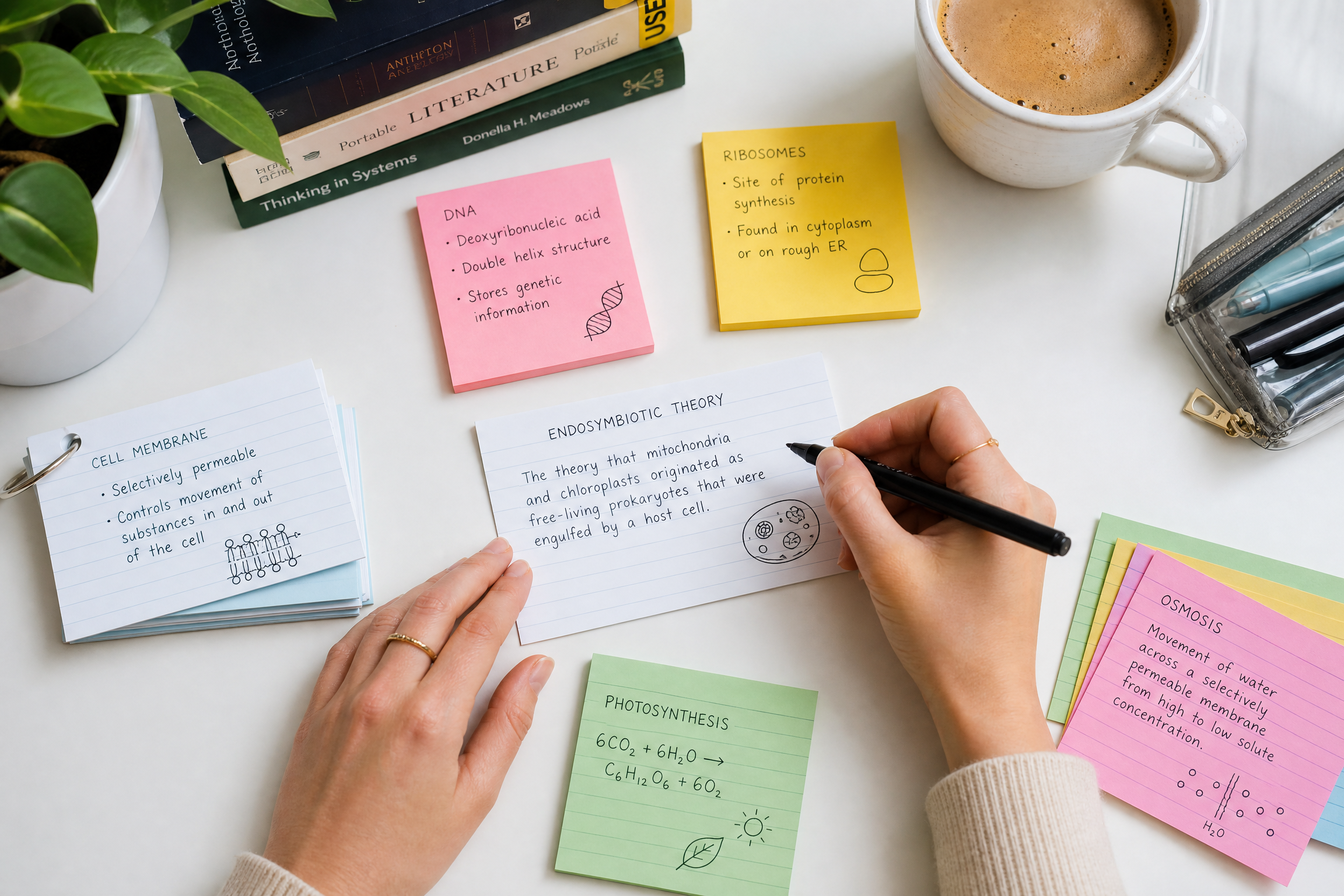
My Honest Review of Active Recall After Using It for One Full Semester
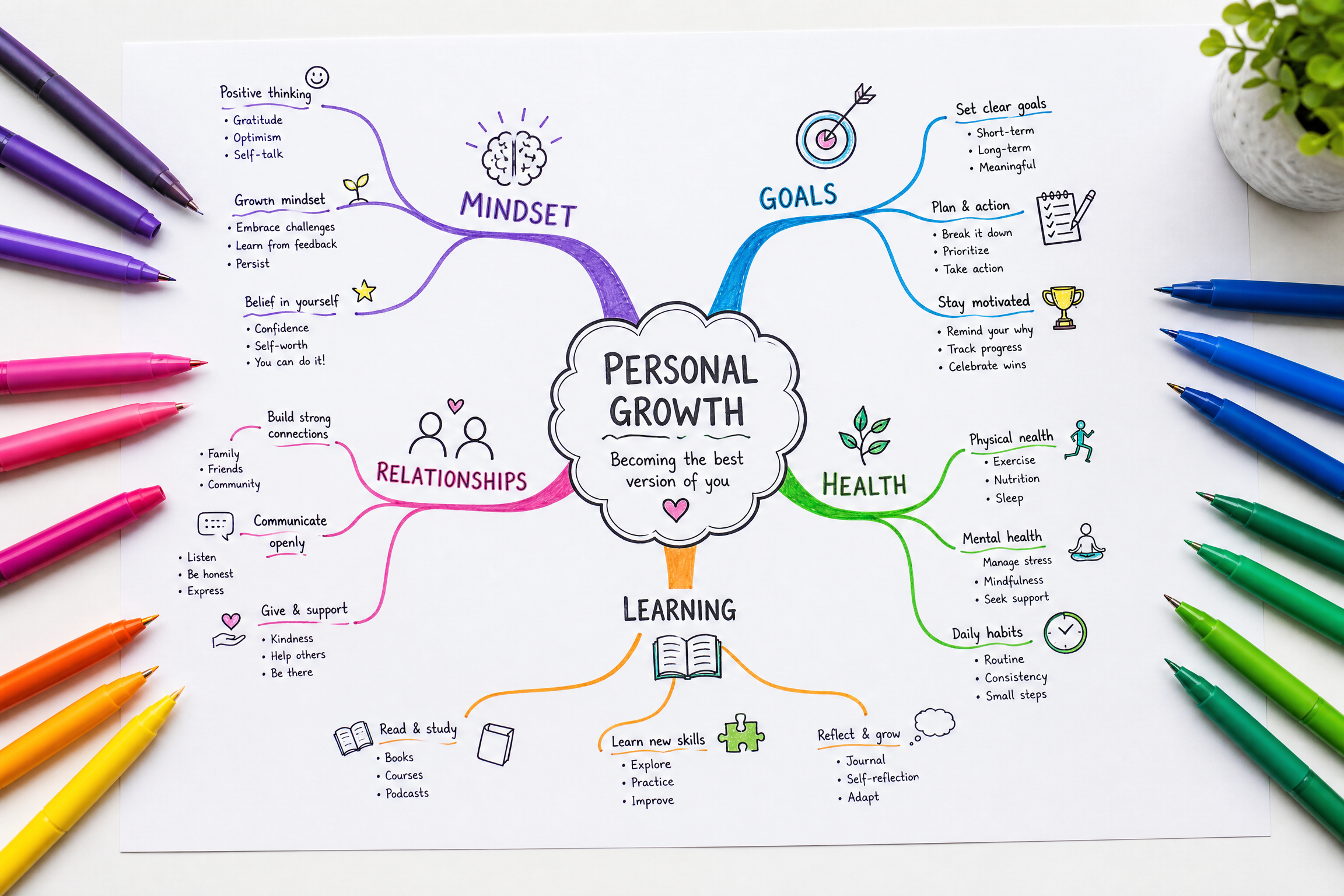
I Made Mind Maps for Every Chapter of My History Textbook — Here's What Happened
