My Honest Review of Using the Pomodoro Technique for My Biology Finals
I'd tried Pomodoro before and quit after two days. This time I committed to it for three weeks straight. Here's what actually changed — and what annoyed me.
Maya R.
Junior, Biology major
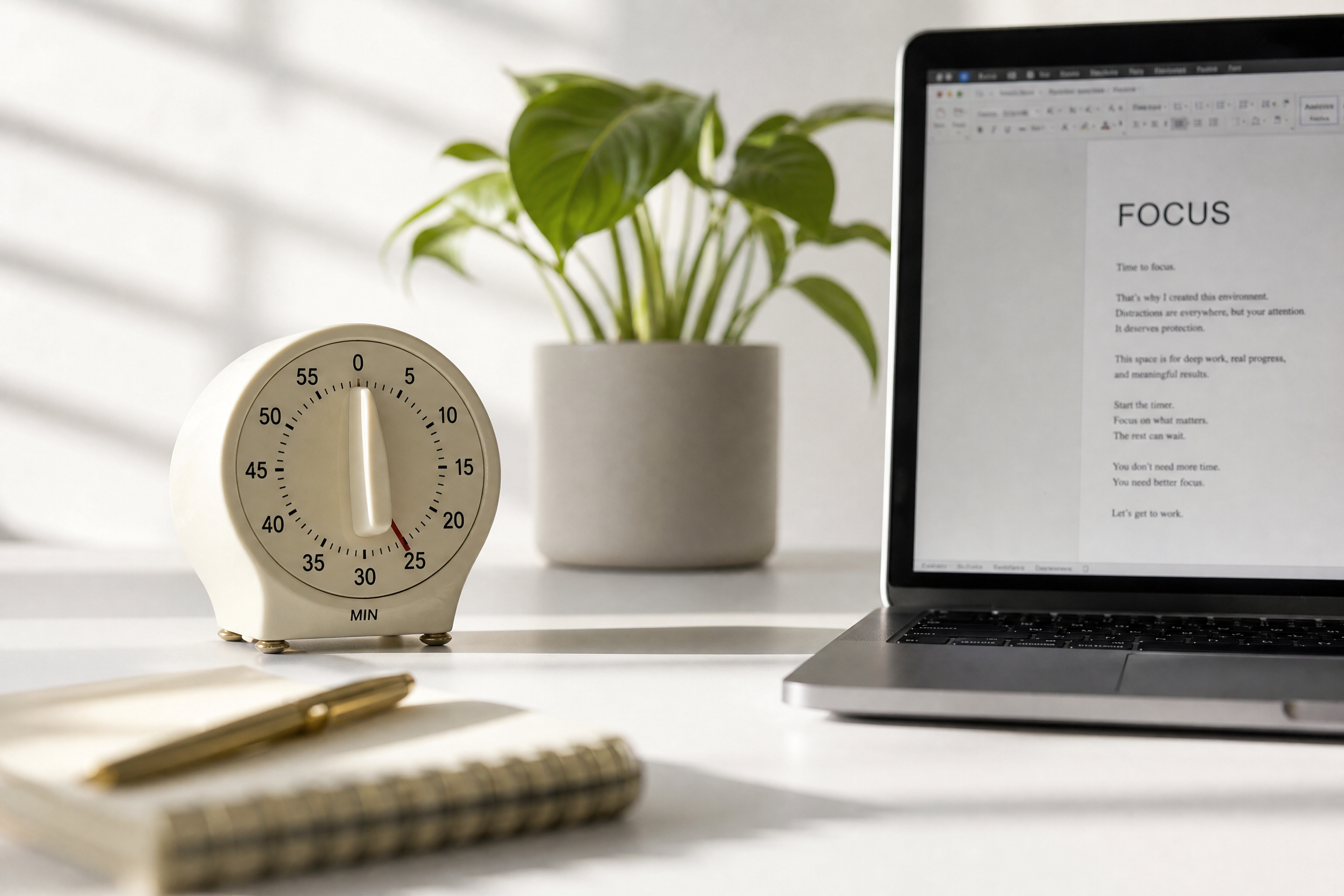
Time Management · EZ Grades
I want to be upfront: I tried the Pomodoro Technique twice before this and gave up both times. The first time I quit because 25 minutes felt too short. The second time I quit because I kept forgetting to start the timer. This time, I committed to using it properly for my entire finals period — three weeks — and I'm writing this to give you an honest account of what happened.
Why I Tried Again
My Biology finals were worth 40% of my grade and I was panicking. A friend who'd aced the same course the year before told me the Pomodoro Technique was the only reason she got through the study period without burning out. I figured I had nothing to lose.
The Setup
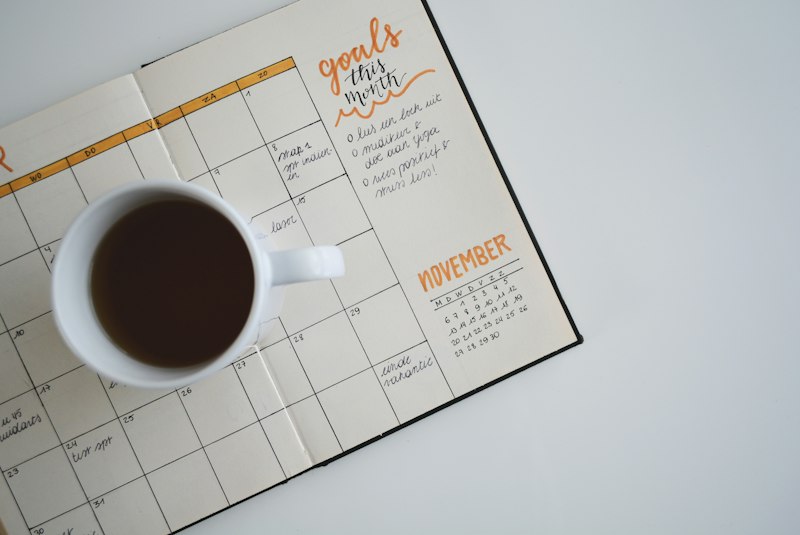
I used the Pomofocus website (free, no account needed) on my laptop. I set it to the standard 25/5 split. I wrote down what I'd work on before each pomodoro — specific tasks, not vague subjects. "Review Chapter 12 cell signaling pathways" rather than "study bio."
Week 1: Annoying
The 25-minute limit was frustrating when I was in the middle of something. I'd be deep in a topic and the timer would go off and I'd have to stop. I kept ignoring the break timer and working through it, which defeated the whole point.
The fix: I started treating the break as mandatory. Even if I felt like I was on a roll, I'd stop at 25 minutes, stand up, walk to the kitchen, get water, and come back. It felt wasteful at first. By the end of week 1, I noticed I was coming back to my desk more energized than I'd been before.
Week 2: Better

I started to trust the system. The 25-minute blocks made large topics feel manageable — instead of "I have to study all of cell biology," I'd think "I need 4 pomodoros for cell biology." That mental reframing was genuinely helpful.
I also started using the break time differently. Instead of scrolling my phone, I'd do a quick "brain dump" — writing down everything I remembered from the last pomodoro. This turned the break into a review session, which felt like a bonus.
Week 3: Converted
By finals week, the Pomodoro rhythm felt natural. I was doing 8–10 pomodoros a day (about 4–5 hours of actual study time) and felt more in control than I had all semester.
The biggest benefit wasn't focus — it was knowing when to stop. Before Pomodoro, I'd study until I was exhausted and then feel guilty about stopping. With Pomodoro, I could say "I did 8 pomodoros today" and feel genuinely done.
The Results
I got an 87 on my Biology final. Not my best grade ever, but significantly better than I'd expected given how behind I felt going in. More importantly, I didn't burn out during finals week, which has happened to me before.
My Honest Verdict
The Pomodoro Technique works, but it requires a specific mindset shift: you have to trust the breaks. If you work through them, you're just using a timer. The break is the technique.
How to Customize the Pomodoro Technique
The standard 25/5 split isn't the only option. Here are variations I've heard work for different people:
| Variation | Work | Short Break | Long Break | Best For |
|---|---|---|---|---|
| Standard | 25 min | 5 min | 15 min | Most students |
| Extended | 50 min | 10 min | 30 min | Deep work, writing |
| Short | 15 min | 3 min | 10 min | ADHD, high-distraction environments |
| Flow | 90 min | 20 min | — | Research, complex problem-solving |
I tried the 50/10 split during finals and found it worked better for writing-heavy subjects where getting into a flow state mattered. For review sessions with lots of topic-switching, the standard 25/5 was better.
What to Do During Pomodoro Breaks
This is where most people go wrong. The break is supposed to let your brain rest, but most people fill it with their phone, which is just a different kind of mental stimulation.
What actually helps during breaks:
- Stand up and move (even just to the kitchen and back)
- Look at something far away (gives your eyes a rest from the screen)
- Do a quick brain dump of what you just covered
- Drink water
- Do a few stretches
What doesn't help:
- Scrolling social media (stimulating, not restful)
- Checking email (creates new tasks and stress)
- Watching YouTube (hard to stop after 5 minutes)
Tools for Pomodoro Timing
Pomofocus.io — Free, browser-based, no account needed. Clean interface. My first recommendation.
Forest — Free on Android, paid on iOS. Gamified with virtual trees. Good if you want to keep your phone nearby but not use it.
Be Focused — iOS app with good task integration. Paid, but reasonably priced.
Physical kitchen timer — Underrated. No screen, no notifications, satisfying to set. Some people find the physical timer more effective than a digital one because it's harder to ignore.
Frequently Asked Questions
Q: What if 25 minutes feels too short for the subject I'm studying?
Try the 50/10 variation. Some subjects — especially writing and complex problem-solving — benefit from longer uninterrupted blocks. The key is still taking the break; just extend both the work and break periods proportionally.
Q: Can I use Pomodoro for homework that takes less than 25 minutes?
Yes — just do the task and count it as one pomodoro even if you finish early. Use the remaining time to review what you just did or get a head start on the next task. Don't skip the break just because you finished early.
Q: What should I do if I get interrupted during a pomodoro?
For unavoidable interruptions (someone needs you, urgent notification), pause the timer, deal with the interruption, then restart the pomodoro from scratch. For avoidable interruptions (phone notification, sudden urge to check something), write it down on a notepad to deal with later and keep going. The notepad trick is surprisingly effective — it acknowledges the thought without acting on it.
Q: How many pomodoros should I do per day?
For a typical study day, 8–10 pomodoros (4–5 hours of focused work) is a reasonable target. More than 12 pomodoros in a day is usually counterproductive — the quality of focus drops significantly after that point. It's better to do 8 high-quality pomodoros than 14 mediocre ones.
Related Articles

My Honest Review of Active Recall After Using It for One Full Semester

A Walkthrough of My Messy Desk (And How I Reorganized It to Actually Focus)