The Most Popular Study Trends on TikTok Right Now — Do They Actually Work?
Study with me videos, the 'girl dinner' study aesthetic, body doubling, and more. I watched way too much StudyTok so you don't have to.
Priya S.
Sophomore, Pre-Med

Study Techniques · EZ Grades
StudyTok is its own universe. If you've spent any time on the study side of TikTok, you've seen the aesthetic: perfectly organized desks, color-coded notes, lo-fi music, and people studying for 6 hours straight while looking inexplicably serene.
I spent a week going down the StudyTok rabbit hole to see what's actually trending and, more importantly, whether any of it is actually useful. Here's my summary.
Trend 1: "Study With Me" Live Streams
This is huge right now. Creators like @studytoktv and @studywithme_official do live study sessions where thousands of people study "together" in real time. The concept is called body doubling — the idea that having another person present (even virtually) makes it easier to focus.
Does it work? Surprisingly, yes — at least for me. I've used a few of these streams during long study sessions and found that the social presence effect is real. You're less likely to pick up your phone when you feel like someone is watching. The Pomodoro-style breaks that many streamers use are also helpful for pacing.
Trend 2: The "Study Aesthetic" — Does It Help or Hurt?

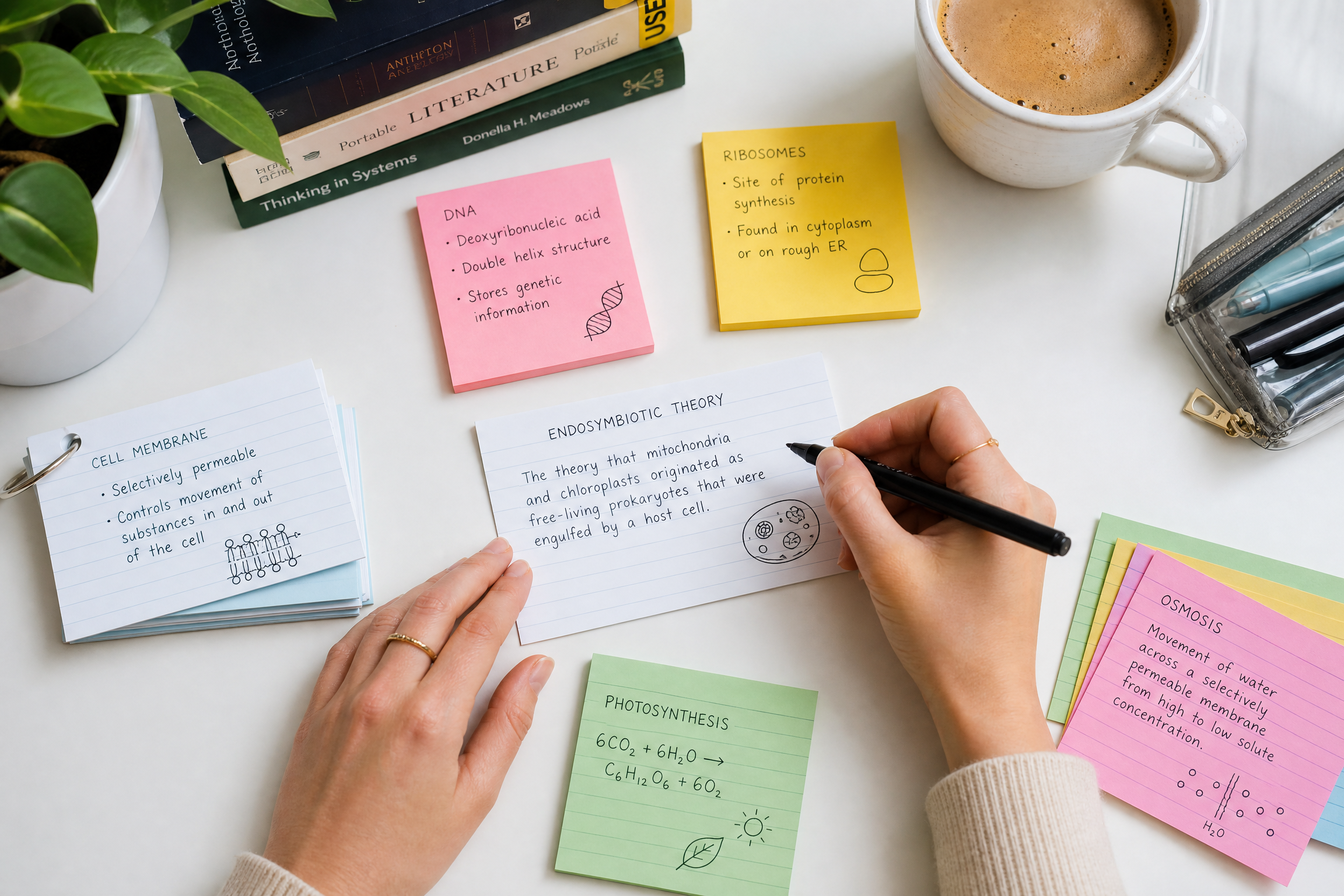
There's a whole genre of content around making studying look beautiful: color-coded notes, washi tape, expensive stationery, perfectly arranged desks. It's genuinely satisfying to watch.
Does it work? The aesthetic itself is neutral — if color-coding your notes helps you organize information, great. If you're spending 45 minutes making your notes look pretty instead of actually learning the material, that's a problem. The danger of StudyTok aesthetics is that they can make you feel productive without actually being productive.
Trend 3: The Pomodoro Technique (Still Going Strong)
The Pomodoro Technique — 25 minutes of focused work, 5-minute break — has been around for decades but it's having a major moment on TikTok. Dozens of creators post Pomodoro timer videos with lo-fi music and ambient sounds.
Does it work? Yes, genuinely. I've written about this elsewhere on the site. The TikTok versions are a nice way to use the technique if you don't want to set up a separate timer app.
Trend 4: "Productive Morning Routine" Videos

These are everywhere: 5am wake-ups, journaling, exercise, healthy breakfast, all before 8am. They're aspirational and often completely unrealistic for most students.
Does it work? The underlying principle — having a consistent morning routine that includes some form of preparation for the day — is sound. The specific 5am version is not necessary or realistic for most people. Take the principle, ignore the aesthetic.
Trend 5: "No Zero Days"
The "no zero days" concept — doing at least one small thing toward your goals every single day — has been circulating on Reddit and TikTok for years. The idea is that even 10 minutes of studying is better than nothing, and maintaining the streak matters.
Does it work? I think this is genuinely good advice, especially for building habits. The danger is using it to justify doing the bare minimum every day instead of doing real work when you have the time.
My Overall Take on StudyTok
There's real value in the community aspect — seeing other students studying makes studying feel more normal and less isolating. But be careful about confusing the aesthetic of studying with actual studying. The most productive students I know don't have Instagram-worthy desks. They just sit down and do the work.
What's Actually Worth Trying From StudyTok
After a week of research, here are the trends I'd actually recommend:
Body doubling / study-with-me streams: Genuinely useful for people who struggle to focus alone. The social presence effect is real, even through a screen.
Pomodoro technique: Not new, but the TikTok versions make it accessible. The 25/5 structure is a good starting point.
No zero days: Good principle for habit building. Even 10 minutes of real work is better than zero.
And here's what I'd skip:
The aesthetic obsession: Color-coded notes and expensive stationery are fine if they make you happy, but they're not a study strategy. Don't confuse beautiful notes with effective learning.
5am morning routines: The principle (consistent morning routine) is good. The specific version (5am, hour-long journaling, elaborate breakfast) is not necessary for most students.
"Productive" phone use: Some creators suggest using your phone for studying (apps, timers, etc.). For most people, the phone is the problem, not the solution. Keep it out of reach.
Frequently Asked Questions
Q: Is body doubling actually effective?
There's genuine research supporting body doubling, particularly for people with ADHD. The presence of another person — even virtually — can reduce procrastination and increase focus. Study-with-me streams are a low-effort way to try it.
Q: Are color-coded notes worth the time?
Only if the color-coding serves a purpose — like using one color for definitions, another for examples, another for things you don't understand. Random color-coding for aesthetics is just time spent not learning. If you find yourself spending more than 5 minutes per page on formatting, you're probably over-investing.
Q: What's the best study music?
The research on study music is mixed. Instrumental music (lo-fi, classical, ambient) tends to be less distracting than music with lyrics. Some people focus better with background noise (coffee shop sounds, rain) than silence. Experiment and see what works for you — but if you're spending time curating the perfect playlist, that's procrastination.
Q: How do I find good study-with-me streams?
Search "study with me" on YouTube or TikTok. Look for streams that use Pomodoro timing and have a calm, non-distracting background. Lofi Girl on YouTube is a popular option that runs 24/7.
Related Articles
My Honest Review of Active Recall After Using It for One Full Semester
I Made Mind Maps for Every Chapter of My History Textbook — Here's What Happened
