I Pulled an All-Nighter Before an Exam and Compared It to a Rested Night — Here's What Happened
An accidental experiment: I pulled an all-nighter before one exam and slept 8 hours before a similar exam. The difference was stark.
Priya S.
Sophomore, Pre-Med

Test Preparation · EZ Grades
This wasn't a planned experiment — it happened because of a scheduling disaster. But the results were clear enough that I want to document them.
The Setup
Sophomore year, I had two similar exams in the same week: Physiology on Wednesday and Biochemistry on Friday. Both were roughly the same difficulty and I'd prepared similarly for both.
For Physiology, I stayed up until 4am reviewing because I felt underprepared. I got about 3 hours of sleep before the 9am exam.
For Biochemistry, I stopped studying at 10pm, went to bed, and got 8 hours of sleep.
The Physiology Exam (After All-Nighter)
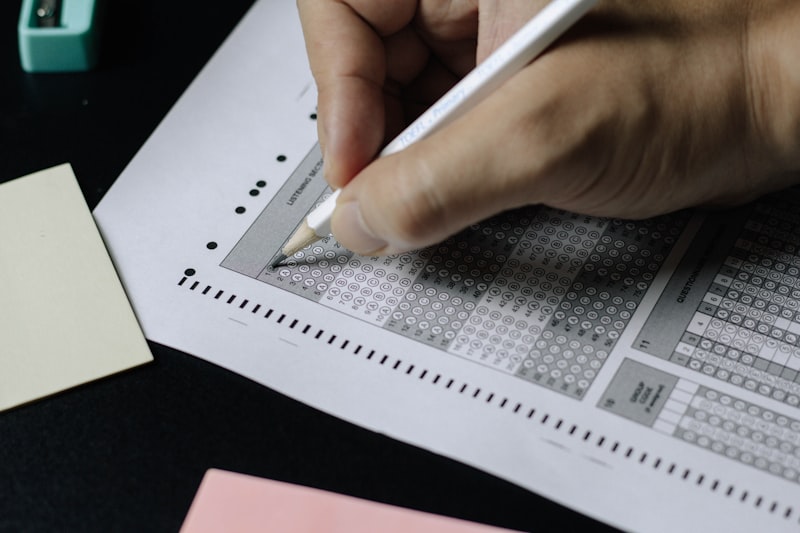
I remember sitting in the exam room feeling like I was thinking through fog. I knew the material — I'd reviewed it for hours — but accessing it felt slow and effortful. I kept second-guessing answers I should have known. I finished the exam but felt uncertain about at least a third of my answers.
Grade: 74.
The Biochemistry Exam (After Full Sleep)
I felt alert and clear-headed. The material felt accessible in a way it hadn't on Wednesday. I finished with 15 minutes to spare and felt confident about most of my answers.
Grade: 88.
What I Think This Shows

I'm not claiming this is a controlled scientific experiment — there are too many variables. Maybe Biochemistry was easier. Maybe I'd prepared better for it. But the subjective experience was dramatically different, and the grade difference was significant.
What I know from reading about sleep science: sleep is when the brain consolidates memories from the day's learning. Staying up all night to review material and then taking an exam before your brain has had a chance to consolidate that material is counterproductive. You're not just tired — you're taking the exam before the learning is complete.
My Rule Now
I stop studying by 10pm the night before any exam. Whatever I don't know by then, I'm not going to learn in the next few hours. Sleep is more valuable than those hours of review.
What the Science Says About Sleep and Learning
The research on sleep and memory consolidation is genuinely compelling. During sleep — particularly during slow-wave sleep and REM sleep — the brain replays and consolidates memories from the day's learning. This process is not optional; it happens during sleep and cannot be replicated while awake.
Studies on sleep deprivation consistently show that even one night of poor sleep significantly impairs:
- Working memory (the ability to hold information in mind while using it)
- Attention and focus
- Decision-making and reasoning
- The ability to retrieve memories
For exam performance, all of these matter. An all-nighter doesn't just make you tired — it actively impairs the cognitive functions you need to perform well.
The Better Alternative to All-Nighters
If you're tempted to pull an all-nighter, it's usually because you feel underprepared. Here's a better approach:
Study until 10pm. Do focused, high-value review (active recall, practice problems) until 10pm.
Do a final review pass. Spend 20–30 minutes going over your most important notes or flashcards.
Go to bed. Trust that your brain will consolidate what you've learned while you sleep.
Wake up with enough time for a light review. 30–45 minutes of light review in the morning is more valuable than 3 hours of exhausted studying the night before.
The Science of Sleep and Memory Consolidation
The reason sleep matters for academic performance isn't just about feeling rested — it's about how memory works at a neurological level. During sleep, particularly during slow-wave sleep and REM sleep, the brain consolidates the day's learning. It transfers information from short-term to long-term memory, strengthens neural connections, and clears metabolic waste products that accumulate during waking hours.
When you pull an all-nighter, you skip this consolidation process. The information you studied is in short-term memory — accessible for the next few hours — but it hasn't been transferred to long-term storage. This is why students who cram the night before often feel like they know the material going into the exam but find it harder to retrieve during the test itself.
Sleep deprivation also impairs the prefrontal cortex, which is responsible for the higher-order thinking that most exams require: analysis, synthesis, application, and problem-solving. A sleep-deprived brain can recall facts but struggles with the reasoning tasks that separate average from excellent exam performance.
What the Research Shows About All-Nighters
Studies on sleep deprivation and academic performance consistently show that pulling an all-nighter is counterproductive for most students. A 2007 study published in Behavioral Sleep Medicine found that college students who pulled all-nighters had lower GPAs than those who didn't, even controlling for other factors.
The performance deficit from sleep deprivation is also larger than most people expect. Research by David Dinges at the University of Pennsylvania found that sleeping six hours per night for two weeks produces cognitive impairment equivalent to two full nights of sleep deprivation — and crucially, subjects in the study didn't feel impaired. They adapted to their reduced performance and stopped noticing it.
A Better Alternative to the All-Nighter
If you're behind on studying and the exam is tomorrow, here's a more effective approach than an all-nighter:
Study for two to three hours using active recall — not re-reading, but testing yourself on the material. Focus on the highest-priority content: the concepts most likely to appear on the exam, the material you're least confident about.
Then sleep. Set your alarm for six to seven hours later. The sleep will consolidate what you studied, and you'll perform better on the exam than if you'd stayed up all night.
If you have more time — even just two days — distribute your studying across both days with sleep in between. The combination of spaced practice and sleep consolidation is dramatically more effective than any amount of cramming.
The Recovery After an All-Nighter
If you've already pulled an all-nighter and the exam is this morning, there are a few things that can help: caffeine can temporarily counteract some of the cognitive impairment, but it doesn't restore the memory consolidation that sleep provides. Eating a light meal before the exam helps maintain blood glucose. And giving yourself extra time to read questions carefully helps compensate for the reduced processing speed that comes with sleep deprivation.
After the exam, prioritize sleep over anything else. A recovery sleep of eight to nine hours will restore most of the cognitive function you lost.
Frequently Asked Questions
Q: What if I'm genuinely not prepared and the exam is tomorrow?
Sleep is still the better choice. Studying while severely sleep-deprived has very poor return on investment — you'll spend 4 hours studying and retain a fraction of what you would have retained in 2 hours of well-rested studying. Do what you can until 10–11pm, then sleep.
Q: What about a quick nap before an exam?
A 20–30 minute nap can improve alertness and performance if you're sleep-deprived. Longer naps risk sleep inertia (grogginess after waking). If you have time before an exam and you're tired, a short nap is better than more studying.
Q: How much sleep do students actually need?
Most adults need 7–9 hours. Teenagers need 8–10 hours. The idea that you can "train" yourself to need less sleep is not supported by research — people who sleep less simply become less aware of how impaired they are.
Q: What if I have multiple exams in one day?
Sleep is even more important when you have multiple exams. Prioritize sleep over cramming. For the exam order, do your hardest subject first if possible, when you're freshest.
Related Articles

90 Days with Anki: My Spaced Repetition Experiment (With Actual Stats)

The Most Popular Study Trends on TikTok Right Now — Do They Actually Work?
