My Finals Week Survival Log: What I Did Each Day (The Good and the Ugly)
A day-by-day account of my finals week — including the day I completely fell apart and had to reset. No productivity influencer vibes here.
Maya R.
Junior, Biology major
Test Preparation · EZ Grades
I kept a journal during finals week this semester. Not because I'm particularly organized — I just thought it might be useful to document what actually happens during finals, as opposed to what productivity influencers say should happen.
Here's the honest version.
Sunday (5 Days Before First Exam)
Made a study plan. Felt good about it. The plan involved studying 6 hours a day, eating well, exercising, and getting 8 hours of sleep. I was optimistic.
Studied for about 4 hours. Spent 1 hour making the plan look nice in my notebook. Went to bed at midnight.
Monday (4 Days Out)
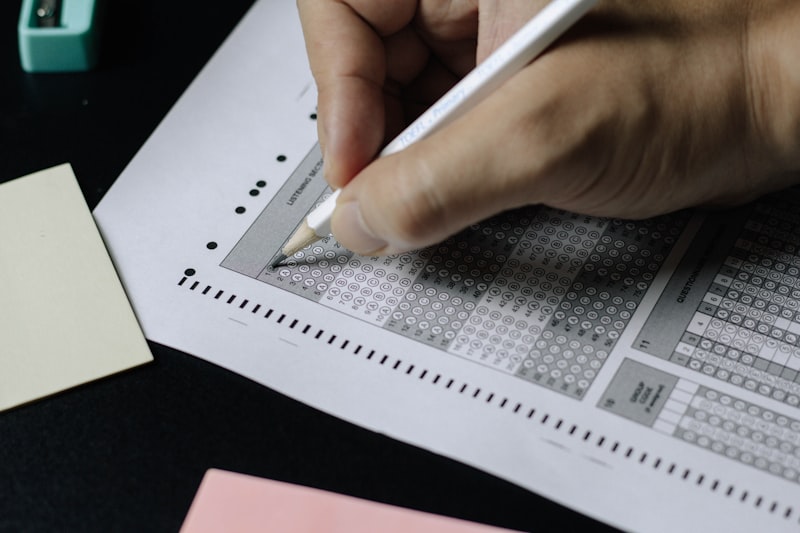
Woke up tired. Studied Biochemistry for 3 hours in the morning — this was actually productive. Used active recall, did practice problems, felt like I was making progress.
Afternoon: tried to study Cell Biology but kept getting distracted. Spent about 45 minutes on my phone without really meaning to. Got frustrated with myself. Ended up studying for about 2 hours in the evening instead.
Total: about 5 hours. Less than planned, but okay.
Tuesday (3 Days Out)
This was the bad day. I woke up anxious and couldn't focus. I sat at my desk for 2 hours and accomplished almost nothing. Every time I tried to read, my brain would wander to worst-case scenarios about the exam.
What I eventually did: I closed my textbooks, went for a 30-minute walk, ate a proper lunch, and came back. The second session was much better — about 3 hours of real work. But the morning was essentially lost.
Lesson: when anxiety is making it impossible to focus, doing something physical and then coming back is more effective than forcing yourself to sit there.
Wednesday (2 Days Out)

Better day. I did 4 solid hours of Biochemistry review in the morning and 2 hours of Cell Biology in the afternoon. I felt genuinely prepared for the first time all week.
Made a mistake: stayed up until 1am reviewing "just a few more things." This was not necessary and I paid for it the next morning.
Thursday (Day Before First Exam)
Woke up exhausted from the late night. Did a light review in the morning — nothing new, just going over my notes and doing a few practice problems to warm up. Stopped studying by 2pm.
Spent the afternoon doing nothing academic: watched TV, went for a walk, cooked dinner. This felt wrong but was probably the right call.
Went to bed at 10:30pm. Slept reasonably well.
Friday (Exam Day)
Biochemistry exam at 9am. I felt okay — not amazing, but okay. The exam was harder than I expected in some places and easier in others.
Result: 82. Not my best, but I'll take it given how the week went.
What I Learned
The plan never survives contact with reality. The days I'd planned as 6-hour study days were often 4-hour days. The anxiety day cost me a morning. The late-night review the night before the exam was a mistake.
What actually worked: the active recall sessions in the morning when my focus was best, the physical breaks when I couldn't concentrate, and stopping studying the day before the exam to let my brain rest.
What didn't work: trying to force productivity when I was anxious, staying up late the night before, and making elaborate plans that didn't account for bad days.
A More Realistic Finals Week Plan
Based on my experience, here's what a realistic finals week plan looks like:
Before finals week starts: Have all your study materials organized. Know exactly what each exam covers. Have a rough priority order for which subjects need the most work.
Each day: Do your hardest, most demanding studying in the morning when your focus is best. Use afternoons for review and lower-stakes work. Stop studying by 9–10pm. Get at least 7 hours of sleep.
The day before an exam: Light review only. No new material. Stop by early afternoon. Do something relaxing in the evening. Go to bed at a reasonable time.
Exam day: Light review in the morning if it makes you feel better. Eat a proper breakfast. Arrive early. Trust your preparation.
What to Do When You're Falling Behind
If you're behind on your study plan during finals week:
- Triage. Which exams are most important (highest grade weight, hardest material)? Focus there first.
- Cut low-value activities. Re-reading and highlighting are low-value. Replace them with active recall and practice problems.
- Ask for help. Office hours, study groups, tutoring centers. Use the resources available to you.
- Accept imperfection. You may not be as prepared as you'd like for every exam. That's okay. Do your best with the time you have.
Frequently Asked Questions
Q: How do I stay calm during finals week?
The most effective thing is being prepared — anxiety is usually proportional to how unprepared you feel. Beyond that: regular exercise (even short walks), adequate sleep, and eating properly all reduce anxiety. Avoid caffeine after 2pm if it affects your sleep.
Q: Is it okay to take breaks during finals week?
Yes — breaks are necessary, not optional. Studying for 8 hours straight is less effective than studying for 5 hours with proper breaks. Build in breaks and don't feel guilty about them.
Q: What should I do if I completely blank on an exam?
Take a few slow breaths. Move to a different question and come back. Write down anything you remember about the topic, even if it's not the answer. Often, starting to write something triggers the memory you're looking for.
Q: How do I recover if I do badly on an exam?
Allow yourself to feel disappointed, then move on. You usually have more exams coming. A bad grade on one exam is rarely catastrophic. Focus on what you can control: the remaining exams. If you're worried about your final grade, talk to your professor about your options.
Related Articles
My Honest Review of Active Recall After Using It for One Full Semester

A Walkthrough of My Messy Desk (And How I Reorganized It to Actually Focus)