I Have Severe Test Anxiety — Here's What Actually Helped (Not What You'd Expect)
I've blanked on exams I knew cold. I've had panic attacks in exam rooms. Here's my honest account of what helped — and what the advice columns get wrong.
Priya S.
Sophomore, Pre-Med

Test Preparation · EZ Grades
I want to be upfront about something: I have genuine test anxiety. Not "I get a little nervous before exams" anxiety — I mean the kind where I've blanked on material I knew cold, where I've had to leave exam rooms to calm down, where I've gotten Bs on exams I should have aced because my brain stopped working under pressure.
I've read a lot of advice about test anxiety. Most of it is well-meaning but misses the point. Here's what actually helped me.
What the Advice Gets Wrong
Most test anxiety advice focuses on the symptoms: breathe deeply, think positive thoughts, get enough sleep. This is like telling someone with a broken leg to walk it off. It addresses the surface without touching the root.
My test anxiety wasn't about the exam itself — it was about what I believed the exam meant. I'd built up a story where a bad grade meant I was stupid, which meant I'd fail out of school, which meant my life would fall apart. That catastrophic thinking was what was making me freeze.
What Actually Helped
Cognitive reframing — but done properly. Not "think positive thoughts," but genuinely examining the catastrophic story I was telling myself. Is one bad grade actually the end of the world? No. Have I survived bad grades before? Yes. What's the realistic worst case? I'd have to retake a course. That's manageable. Walking through this logic before an exam helped more than any breathing exercise.
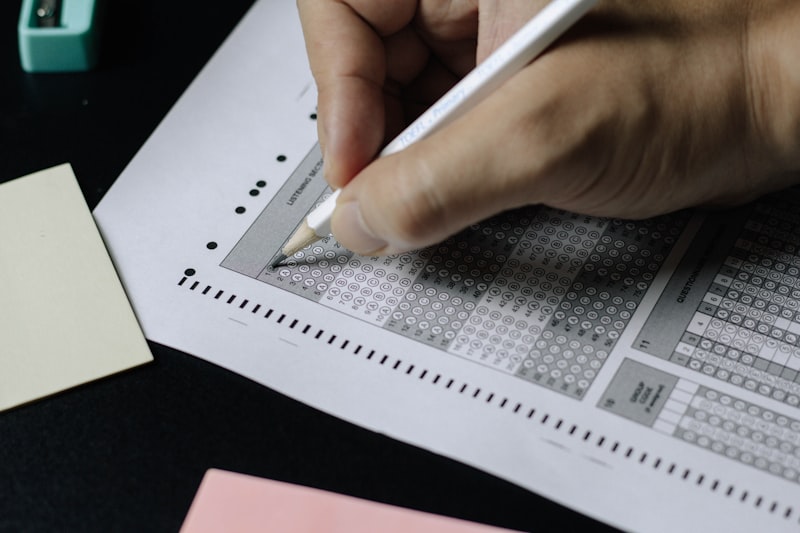
Exposure. I started taking practice exams under real exam conditions — timed, no notes, sitting at a desk. At first this was extremely uncomfortable. Over time, the discomfort decreased. The anxiety didn't disappear, but it became familiar and manageable rather than overwhelming.
Talking to my professor. This was the hardest thing I did. I emailed a professor and told her I had test anxiety and asked if there were any accommodations available. She was kind and helpful, and knowing I had a small amount of extra time if I needed it reduced my anxiety significantly — even on exams where I didn't use the accommodation.
Reframing the physical symptoms. Anxiety and excitement feel almost identical in the body — racing heart, heightened alertness, adrenaline. I started telling myself before exams that what I was feeling was excitement, not fear. This sounds like a trick, but research suggests it actually works.
What Didn't Help
Deep breathing during the exam. By the time I was in the exam room and blanking, breathing exercises weren't enough to override the anxiety response. The work had to happen before the exam, not during it.
Telling myself to "just relax." This is not useful advice. You cannot relax on command when you're in fight-or-flight mode.
Where I Am Now

My test anxiety is much better than it was two years ago. It's not gone — I still feel it before every exam — but it's manageable. The biggest shift was understanding that the anxiety was about my beliefs, not the exam itself, and working on those beliefs directly.
Practical Techniques for the Exam Room
Even with the underlying work done, I still use some in-the-moment techniques when anxiety spikes during an exam:
Box breathing: Inhale for 4 counts, hold for 4, exhale for 4, hold for 4. Repeat 3–4 times. This activates the parasympathetic nervous system and reduces the physical symptoms of anxiety. It takes about 90 seconds and is invisible to other exam-takers.
Grounding: Notice 5 things you can see, 4 you can touch, 3 you can hear. This pulls your attention to the present moment and interrupts the anxiety spiral.
Reframe the physical symptoms: "My heart is racing because I'm excited and ready" rather than "My heart is racing because I'm going to fail."
Skip and return: If a question is triggering anxiety, skip it and come back. Getting some momentum by answering questions you know often reduces anxiety.
Getting Accommodations
If your test anxiety is severe, formal accommodations may be available through your school's disability services office. Common accommodations include extended time, a separate testing room, and the ability to take breaks. These accommodations exist for a reason — use them if you need them.
To get accommodations, you typically need documentation from a mental health professional. The process takes time, so start early if you think this might apply to you.
Frequently Asked Questions
Q: Is test anxiety a real condition or just nerves?
Test anxiety is a recognized condition that can significantly impair performance. It's different from normal pre-exam nervousness in that it interferes with your ability to access knowledge you actually have. If you consistently perform significantly worse on exams than on homework or practice tests, test anxiety may be a factor.
Q: Does more preparation reduce test anxiety?
Yes, usually. Much test anxiety comes from feeling underprepared. Thorough preparation reduces the uncertainty that feeds anxiety. But for some people, anxiety persists even when well-prepared — in those cases, the cognitive reframing work is more important.
Q: Should I tell my professor about my test anxiety?
You don't have to, but it can help. Most professors are more understanding than students expect. If you're struggling, a brief email explaining the situation often opens doors to accommodations or at least understanding.
Q: What's the difference between test anxiety and just being unprepared?
If you know the material when you're relaxed but can't access it under exam pressure, that's test anxiety. If you don't know the material whether you're relaxed or stressed, that's a preparation problem. The distinction matters because the solutions are different.
Related Articles

90 Days with Anki: My Spaced Repetition Experiment (With Actual Stats)

The Most Popular Study Trends on TikTok Right Now — Do They Actually Work?
