What Teachers Do That Actually Makes Me Want to Participate in Class
I'm not a natural class participator. But some teachers make it easy. Here's what they do differently, from my perspective.
James T.
Senior, Computer Science
For Teachers · EZ Grades
I'm not someone who naturally raises my hand in class. I tend to think through my answer, decide it's probably wrong or not interesting enough, and stay quiet. I know this isn't ideal, but it's honest.
Some teachers, though, make me want to participate. Here's what they do differently.
They Don't Cold Call Without Warning
The teachers who make me most anxious are the ones who randomly call on students without warning. The teachers who make me most comfortable are the ones who say "I'm going to give you 60 seconds to think about this, then I'll ask a few people to share." That 60 seconds changes everything — I can actually formulate a thought.
They Respond to Wrong Answers Well
I've had teachers who, when a student gives a wrong answer, say "not quite" and immediately move on. That's a participation killer. The teachers who make me want to engage are the ones who say "interesting — what made you think that?" and actually work through the wrong answer. It signals that thinking out loud is safe.
They Ask Questions That Don't Have One Right Answer
"What year did X happen?" is not a participation-friendly question unless you already know the answer. "What do you think caused X?" is a question I can engage with even if I'm not sure. Open-ended questions lower the stakes.
They Remember What I Said
This sounds small but it's not. When a teacher says "James, last week you mentioned X — does today's reading change your thinking?" it signals that they're paying attention. That makes me want to contribute more.
The Bottom Line
I participate more when I feel safe to be wrong and when I have time to think. Those two things are almost entirely in the teacher's control.
What Students Are Actually Thinking When They Don't Participate
From conversations with classmates, here are the most common reasons students don't participate even when they have something to say:
"My answer might be wrong." This is the most common. The fear of public embarrassment is a powerful inhibitor.
"Someone else will say it." If participation isn't structured, the same few students tend to dominate. Others opt out.
"I haven't thought it through enough." Many students need more processing time than the pace of class allows.
"I don't know if it's relevant." Students who aren't sure if their contribution is on-topic often stay silent rather than risk going off-track.
Classroom Structures That Increase Participation
Beyond individual teacher behaviors, certain classroom structures consistently increase participation:
Pair discussion before whole-class discussion: Talking to one person is much less intimidating than talking to thirty. Pair discussion gives students a chance to test their thinking before sharing publicly.
Written response before verbal response: Asking students to write a quick response before discussing gives everyone time to formulate a thought, not just the fastest thinkers.
Random selection with preparation time: "I'm going to randomly select someone to share in 2 minutes" is less anxiety-inducing than cold calling because everyone has preparation time.
Anonymous sharing: Tools like Padlet or Poll Everywhere allow students to share ideas anonymously, which dramatically increases participation from quieter students.
The Research Behind What Makes Students Participate
Educational research on classroom participation consistently points to a few factors that either enable or suppress student engagement. Understanding these factors helps explain why some classrooms feel alive and others feel like a waiting room.
Psychological safety is the most important factor. Students participate when they believe that sharing a wrong answer or an uncertain idea won't result in embarrassment or ridicule. This isn't about being coddled — it's about creating conditions where intellectual risk-taking is possible.
Wait time matters more than most teachers realize. Research by Mary Budd Rowe found that extending the pause after asking a question from one second to three seconds dramatically increased the length and quality of student responses, and increased participation from students who typically stayed silent.
The nature of the question determines who can participate. Questions with single right answers favor students who already know the material. Open-ended questions — "what do you notice?", "what would you do differently?", "what questions does this raise for you?" — allow everyone to contribute something genuine.
What Discourages Participation (Even When Teachers Don't Intend It)
Some classroom behaviors suppress participation even when the teacher is trying to be encouraging:
Moving too quickly past wrong answers. When a student gives a wrong answer and the teacher immediately corrects it and moves on, it signals that wrong answers are problems to be solved rather than opportunities to learn. Spending time on wrong answers — "that's a common misconception, let's look at why it's wrong" — makes it safer to be wrong.
Only calling on raised hands. This creates a two-tier classroom: students who always raise their hands and students who never do. The students who never raise their hands often have something to contribute but need a different entry point.
Praising participation too effusively. "Great answer!" after every response sounds encouraging but actually signals to other students that there's a standard their answer might not meet. Neutral acknowledgment — "thanks, what do others think?" — keeps the conversation open.
How Students Can Create Their Own Participation Opportunities
Even in classrooms that don't naturally invite participation, students can create their own. Asking questions is always available — not just "I don't understand," but genuine questions about the material: "why does this rule have exceptions?", "how does this connect to what we learned last week?", "what would happen if this variable changed?"
Teachers almost universally respond well to genuine curiosity. A student who asks thoughtful questions becomes visible in a classroom in a way that benefits them academically and in terms of the teacher's perception of their engagement.
Frequently Asked Questions
Q: Is it fair for teachers to grade participation?
This is genuinely debated. Participation grades can disadvantage introverts, students with anxiety, and English language learners. If participation is graded, the criteria should be clear and there should be multiple ways to demonstrate participation (not just raising your hand).
Q: How can a student increase their own participation if they're naturally quiet?
Start small: make one comment per class, even a brief one. Sit where you're visible to the teacher. Prepare a question or comment before class so you have something ready. Over time, the habit of participating becomes easier.
Q: What should a student do if they're called on and don't know the answer?
Say "I'm not sure, but I think..." and give your best guess, or say "I don't know, but I'd like to understand this better." Both are honest and show engagement. Teachers generally respond better to an honest attempt than to silence.
Q: How do online classes affect participation?
Online classes often have lower participation rates because the social cues that prompt participation (eye contact, physical presence) are absent. Structured participation (everyone posts a response, breakout rooms) tends to work better than open-ended discussion in online settings.
Related Articles
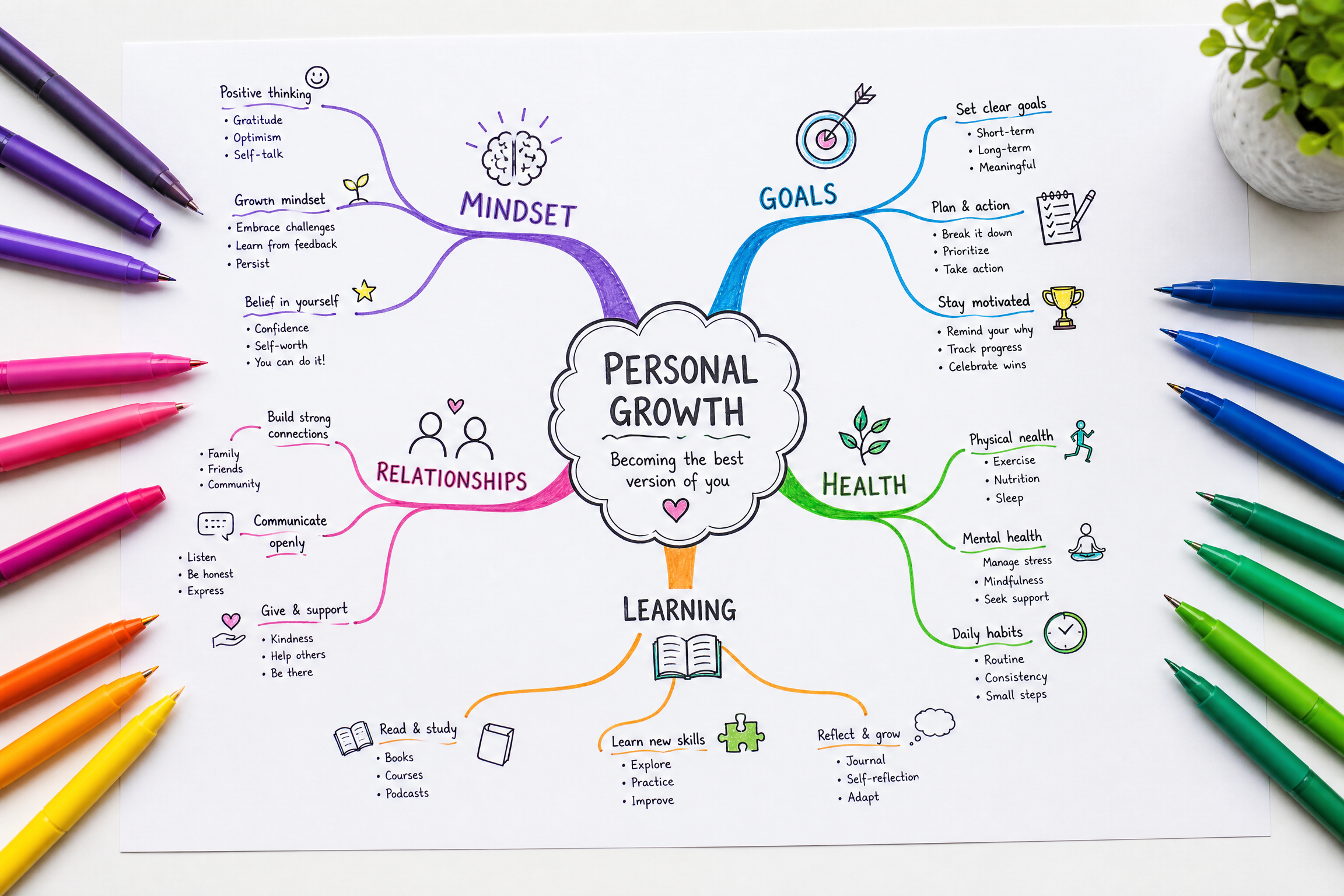
I Made Mind Maps for Every Chapter of My History Textbook — Here's What Happened

I Tried the Feynman Technique on My Hardest Subject — Here's My Honest Take
