How I Balanced Varsity Soccer and a Full Course Load (Without Losing My Mind)
Practice six days a week, away games every other weekend, and 18 credits. Here's the system I built to make it work — and the times it didn't.
Carlos M.
High School Senior

Time Management · EZ Grades
Junior year, I was playing varsity soccer (practice 6 days a week, games every weekend) and taking 18 credits. I want to be honest: there were weeks where I didn't handle it well. But by the end of the year, I'd figured out a system that mostly worked. Here's what I learned.
The Non-Negotiables
The first thing I did was accept that some things couldn't be optimized — they just had to happen. Practice was non-negotiable. Sleep was non-negotiable (I learned this the hard way after a week of 5-hour nights left me unable to focus at all). Eating properly was non-negotiable.
Everything else — study time, social life, downtime — had to fit around those three things.
The "Dead Time" Strategy
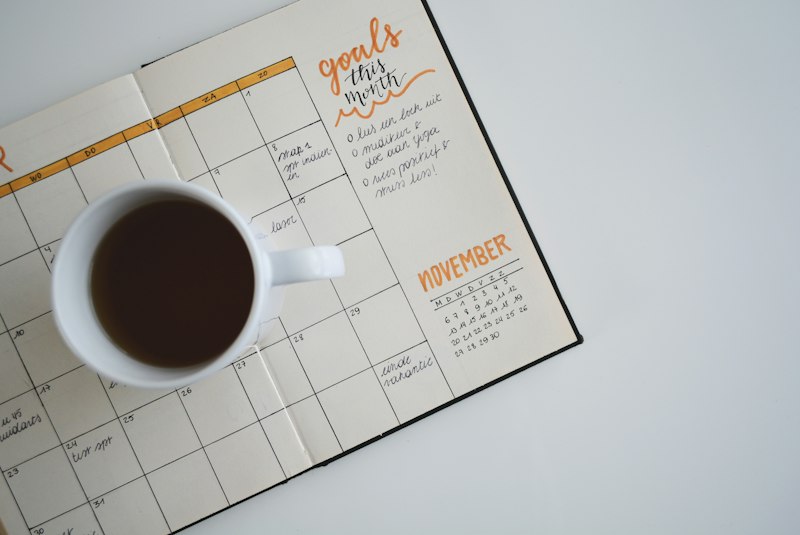
The biggest change I made was using what I call "dead time" — the time that exists between other things. The 45 minutes before practice. The bus ride to away games. The 20 minutes between classes. I started treating this time as real study time instead of phone-scrolling time.
I kept a small notebook with me at all times for reading notes and a set of Anki cards on my phone for flashcard review. I couldn't do problem sets or write essays during dead time, but I could review material I'd already learned — and that review time added up to about 45 minutes a day.
The Weekly Planning Session
Every Sunday night, I'd spend 20 minutes planning the week. I'd look at the practice schedule, the game schedule, and all my academic deadlines, and figure out exactly when I was going to do each piece of work. This meant I was never surprised by a deadline — I'd already accounted for it.
The key habit: I'd do this planning session even when I didn't feel like it. Especially when I didn't feel like it.
What Didn't Work
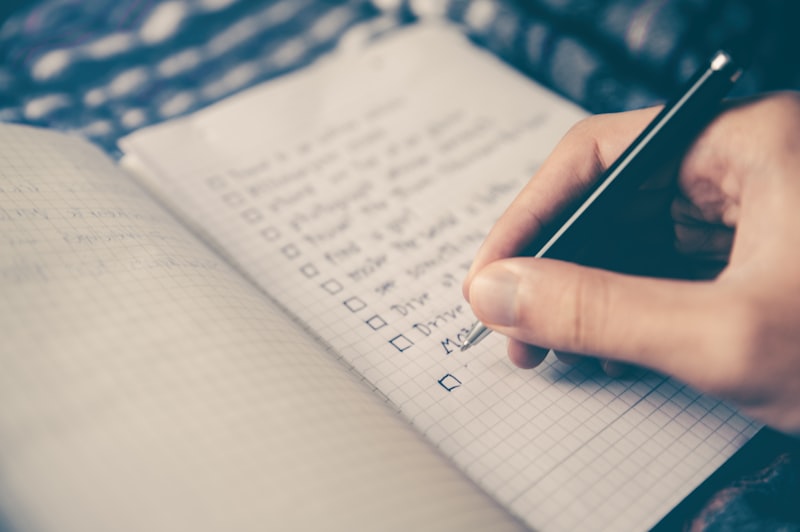
I tried to study immediately after practice a few times. It never worked. I was physically and mentally exhausted, and the quality of my studying was terrible. I learned to schedule a 30-minute recovery period after practice before sitting down to work.
I also tried to keep up with my social life at the same level as before I joined the team. That wasn't realistic. I had to be honest with my friends about my availability, which was uncomfortable but necessary.
The Honest Truth
Balancing a serious sport with a full course load is hard, and anyone who tells you there's a simple system that makes it easy is lying. There were weeks where I was behind in class, weeks where I was exhausted at practice, and weeks where I felt like I was failing at everything simultaneously. But I got through the year with a 3.4 GPA and a spot on the starting lineup, so something worked.
Communicating With Professors
One thing I didn't do well early on was communicating with my professors about my athletic schedule. Most professors are more accommodating than you'd expect if you're upfront about your situation at the start of the semester — not the week before a conflict.
I now send a brief email at the start of each semester to professors whose classes conflict with travel: "I'm on the varsity soccer team and will have away games on [dates]. I wanted to let you know in advance and ask about your policy for making up missed work." This simple step prevented several potential grade problems.
The Minimum Viable Study Session
When you're an athlete, there will be days where you have 20 minutes to study, not 2 hours. I learned to have a "minimum viable" version of my study routine for these days:
- 10 minutes of Anki reviews
- 10 minutes of reading the next section of the current chapter
That's it. It's not enough to make major progress, but it maintains continuity and means I'm never more than a day behind on reviews.
Frequently Asked Questions
Q: How do I study on travel days for away games?
Bus and plane rides are excellent for Anki reviews, reading, and reviewing notes. They're not great for problem sets or writing. Plan your travel days accordingly — do the passive review work while traveling and save the active work for when you're back.
Q: What do I do when I have a game the day before an exam?
Don't try to cram the night before the game. Study earlier in the week, do a light review the day of the game, and get to bed early. Trying to study while exhausted after a game is almost completely ineffective.
Q: Is it worth taking a lighter course load as an athlete?
For many student-athletes, yes. Taking 15 credits instead of 18 can make the difference between surviving and thriving. Talk to your academic advisor about what's realistic given your athletic commitments.
Q: How do I deal with the social pressure to hang out when I don't have time?
Be honest with your friends early. "I have practice six days a week and a heavy course load — I can hang out on Sunday afternoons but not during the week" is a reasonable thing to say. Friends who respect you will understand. The ones who don't probably aren't worth the social energy anyway.
Related Articles

I Tried 5 Different Study Apps — Here's Which One Actually Saved Me Time
10 Free Study Resources for Students: Independent Comparison (2026)
